
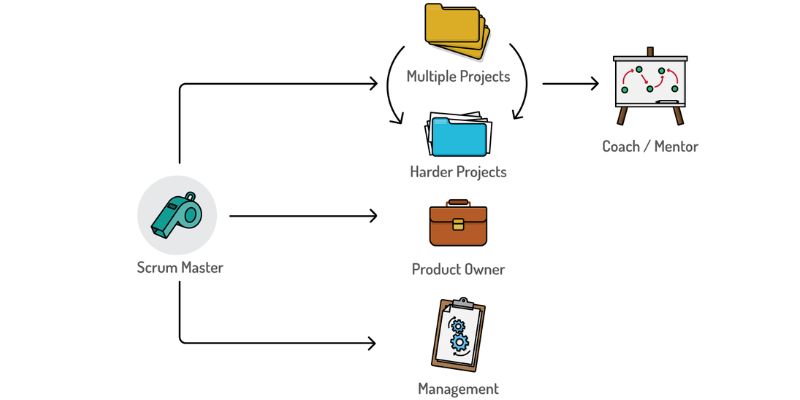
Agility, teamwork, and quick invention are becoming more and more important in today’s corporate environment. Agile approaches are now commonplace in many industries as businesses work to provide goods and services more quickly without sacrificing quality. The Scrum Master, a specialist in enabling Scrum techniques, eliminating barriers, and assisting teams. In effectively achieving their objectives, is at the core of many Agile teams. The need for qualified Scrum Masters has increased dramatically as more businesses adopt Agile transformation.
But it takes more than just keeping an eye on business talk to grasp the true need for jobs. When contemplating a career as a Scrum Master, professionals. Must examine industry trends, employment trends, necessary skills, and future prospects. FITA Academy supports learners in developing Agile project management, Scrum framework implementation, team collaboration, sprint planning, stakeholder communication, and leadership skills. Aspiring Scrum Masters may position themselves for success and make well-informed professional decisions by learning to assess these criteria. This book examines useful methods to assess. The current demand for Scrum Master positions and comprehend their long-term career prospects.
Understanding the Role and Responsibilities of a Scrum Master
It’s critical to comprehend what a Scrum Master works before evaluating job demand. For Agile teams, a Scrum Master acts as a coach and facilitator, making sure that Scrum techniques and concepts are successfully used. Scrum Masters prioritize team empowerment above team direction, in contrast to traditional project managers. Organizing Scrum ceremonies, removing obstacles, promoting communication, and assisting teams in their ongoing improvement are some of their duties. To guarantee that project objectives are effectively met, they collaborate closely with product owners, developers, stakeholders, and management.
By encouraging openness, cooperation, and flexibility, Scrum Masters can assist companies in adopting an Agile culture. Companies frequently look for people with good leadership, communication, and problem-solving abilities since these are essential to team performance and project success. Knowing these duties enables job searchers to determine what credentials businesses are actively looking for and assess if their talents match market expectations.
Factors Driving Scrum Master Job Demand
The increasing need for Scrum Masters in today’s workforce is caused by a number of causes. The extensive use of Agile frameworks by businesses looking for quicker and more flexible project delivery is one of the main motivators. Agile approaches are becoming more and more appealing to businesses working in competitive contexts that must react swiftly to shifting client requirements. Initiatives for digital transformation are also a major factor in rising demand. Agile teams need skilled Scrum Masters to manage efforts and sustain productivity as companies update systems and implement new technology. Scrum Master Certification in Chennai offers practical, industry-focused guidance in Agile methodologies, Scrum framework implementation, sprint planning, team collaboration, stakeholder management, and project delivery.
The necessity for experts who can promote cooperation and maintain coordination across dispersed teams has been further underscored by remote and hybrid work models. Organizations also understand that effective Scrum leadership is frequently necessary for the successful deployment of Agile. All of these elements work together to provide skilled Scrum Masters with possibilities in a variety of sectors. Keeping an eye on these patterns might provide important information about the demand for jobs both now and in the future.
Analyzing Industry Trends and Hiring Sectors
One effective way to determine Scrum Master job demand is to examine industries that actively invest in Agile practices. The technology sector remains one of the largest employers of Scrum Masters because software development teams widely adopt Scrum frameworks. However, demand now extends far beyond the IT industry. Financial services organizations use Agile methodologies to improve product development and enhance customer experiences. Healthcare providers apply Agile practices to support digital health initiatives and streamline operations. Manufacturing companies also leverage Scrum to accelerate innovation, improve collaboration, and optimize product development processes.
Telecommunications, retail, logistics, and consulting organizations increasingly hire Scrum Masters to support Agile and digital transformation initiatives. Professionals can identify high-demand sectors by analyzing industry reports and tracking which industries frequently advertise Agile-related job opportunities. By understanding where these opportunities exist, candidates can focus their job search more effectively and develop the skills needed to meet industry-specific requirements.
Evaluating Job Postings and Hiring Patterns
Job advertisements offer important insights on corporate expectations and Scrum Master demand. Hiring trends and market activity may be found by looking via professional networking sites, firm career websites, and internet job boards. Strong demand is sometimes indicated by a large number of Scrum Master positions spread across several locations. B School in Chennai can significantly boost your career readiness and employability by enhancing your Agile project management. Scrum implementation, team collaboration, sprint planning, stakeholder communication, and leadership skills. Additionally, job descriptions emphasize the qualifications, experience, and abilities that employers value.
The Impact of Agile Transformation and Digital Initiatives
Agile transformation continues to drive Scrum Master opportunities across the globe. Organizations undergoing digital transformation actively reorganize teams and processes to improve flexibility, collaboration, and innovation. Scrum Masters play a vital role in guiding these changes by helping teams adopt Agile practices, overcome resistance to change, and maintain continuous improvement. As organizations expand their Agile initiatives, many large enterprises hire multiple Scrum Masters to support Agile adoption across different teams and departments.
Skills and Certifications Employers Look For
When evaluating the need for Scrum Master positions, it is crucial to comprehend employer expectations. Among the most highly regarded skills are effective communication, leadership, dispute resolution, coaching, and facilitation. These are the roles and the responsibilities of scrum master. Additionally, employers value a thorough grasp of Scrum principles and experience working in Agile organizations. By confirming skills, certifications may greatly improve employability. Job listings frequently ask for credentials like Professional Scrum Master (PSM), Certified ScrumMaster (CSM), and Agile-related qualifications.
End Suggestion